In the vibrant streets of Nairobi, the bustling markets of Mombasa, and the serene landscapes of the Rift Valley, a great bag is more than an accessory—it’s a companion. It carries your daily essentials, your business dreams, and your personal style. Among all materials, leather stands apart. It’s not just durable; it tells a story. With every use, a leather bag develops a unique patina, a rich character that reflects your journey. A well-cared-for leather bag can last decades, becoming a timeless heirloom rather than a seasonal trend.
For our Kenyan customers who value quality, sustainability, and style, understanding leather care is essential. This comprehensive guide will walk you through everything you need to know to keep your leather bag looking pristine, resilient, and beautifully aged, no matter the specific challenges of the Kenyan climate.
Understanding Your Leather: The First Step to Proper Care
Not all leather is created equal. The care regimen depends heavily on the type of leather and its finish. Before you begin any cleaning or conditioning, identify your bag’s leather type.
- Full-Grain & Top-Grain Leather: The highest quality. Full-grain retains the natural grain and markings, making it incredibly durable and prone to developing a patina. Top-grain is slightly sanded but remains high-quality. Both are often found in premium handbags, briefcases, and backpacks.
- Care Focus: Conditioning and protective sprays. Avoid harsh chemicals.
- Genuine Leather: A misleading term, as all real leather is “genuine.” In industry terms, it often refers to split leather that has been sanded and given an artificial grain. It’s more affordable but less durable than top-grain.
- Care Focus: Gentle cleaning and regular conditioning, as it can dry out faster.
- Suede & Nubuck: These are the soft, velvety surfaces. Suede is made from the underside of the skin, while nubuck is top-grain leather sanded on the outside. They are delicate and prone to water stains and dirt.
- Care Focus: Specialized brushes and waterproofing sprays designed specifically for suede/nubuck. Never use standard leather conditioners.
- Corrected-Grain & Bonded Leather: Corrected grain has been buffed to remove imperfections and is often coated. Bonded leather is made from leather scraps bonded with polyurethane. They are common in more affordable bags.
- Care Focus: Wiping with a damp cloth and avoiding heavy conditioning, as the plastic coating can prevent absorption.
- Vegetable-Tanned vs. Chrome-Tanned: This refers to the tanning process. Vegetable-tanned leather (often used in artisanal goods) ages beautifully, changing color over time. Chrome-tanned leather is more common, water-resistant, and has a more consistent color.
The Kenyan Climate Factor: Sun, Dust, and Sudden Showers
Our beautiful country presents specific challenges for leather:
- Sun Intensity: Prolonged exposure to harsh UV rays can dry out leather, causing it to fade, crack, and lose its natural oils.
- Dust and Red Soil: Kenya’s iconic red soil is pervasive and can stain light-colored leather.
- Humidity & Rain: Coastal areas and rainy seasons bring moisture, which can cause mildew on untreated leather and leave water spots.
- Temperature Fluctuations: Moving from cool, air-conditioned spaces into the warm outdoors can stress the leather fibers.
Your care routine must account for these elements.
The Essential Leather Care Routine: A Step-by-Step Guide
What You’ll Need (Your Leather Care Toolkit):
- Soft, lint-free microfiber cloths (2-3)
- A soft-bristled brush (like a horsehair brush)
- Leather cleaner (commercial or a gentle, pH-neutral soap)
- Leather conditioner or cream
- A waterproofing/protector spray (appropriate for your leather type)
- For suede/nubuck: a specialized suede eraser and brush.
Step 1: Regular Cleaning – The Weekly Dust-Off
Frequency: Weekly or after each use in dusty conditions.
- Action: Empty your bag completely. Use a soft-bristled brush to gently dislodge dust and dirt from crevices, seams, and stitching. For smooth leather, follow up by wiping the entire surface with a dry microfiber cloth. This simple habit prevents abrasive particles from scratching the surface.
Step 2: Deep Cleaning – The Monthly Refresh
Frequency: Once a month, or immediately after a spill or stain.
- Test First: Always perform a spot test on a small, inconspicuous area (like a back panel or inside flap) with any new product.
- For Smooth Leather:
- Dampen a microfiber cloth with cool, clean water (never soak it) or use a dedicated leather cleaner.
- Wipe the entire surface in gentle, circular motions. Avoid saturating the leather.
- For stubborn stains (ink, oil), use a specialist leather stain remover, following instructions carefully. For oil-based stains, sprinkle with cornstarch or talc, leave overnight, and brush off.
- Wipe with a second cloth dampened with only water to remove any soapy residue.
- Crucial: Let the bag air dry naturally, away from direct heat sources like radiators, fireplaces, or direct sunlight. Stuff it with acid-free paper or a clean towel to help it retain its shape.
- For Suede/Nubuck:
- Use a suede brush or a clean, dry microfiber cloth to brush the nap in one direction to lift dirt.
- For stains, use a suede eraser. Rub gently on the stained area, then brush to restore the texture.
- Never use water or liquid cleaners unless they are specifically designed for suede.
Step 3: Conditioning – Replenishing Lost Oils
Frequency: Every 3-6 months, or whenever the leather feels dry or looks dull.
- Why: This is the most critical step for longevity. Conditioner replenishes the natural oils that cleaning, sun, and time strip away. It keeps the leather supple, prevents cracking, and enhances its natural beauty.
- How:
- Ensure the bag is clean and completely dry.
- Apply a small amount of conditioner to a soft cloth—less is more.
- Massage it into the leather using gentle, circular motions, covering the entire surface. Pay extra attention to high-stress areas like handles, straps, and corners.
- Allow the conditioner to be fully absorbed (usually 15-30 minutes).
- Buff gently with a clean, dry microfiber cloth to remove any excess and bring up a soft shine.
- Kenyan Tip: In our sunny, dry climates (like Nairobi), you may need to condition more frequently than in more humid coastal areas.
Step 4: Protection – Shielding from the Elements
Frequency: After conditioning, and every few months.
- Why: A protector spray creates an invisible barrier against water, oil-based stains, and UV rays. It’s your first line of defense against sudden afternoon showers and dusty commutes.
- How:
- In a well-ventilated area, hold the spray can about 6-8 inches from the bag.
- Apply an even, light coat over the entire surface. Don’t soak it.
- Let it dry completely (check the product instructions for time).
- For suede/nubuck, only use sprays specifically labelled for suede.
Step 5: Proper Storage – When Not in Use
How you store your bag is as important as how you clean it.
- Clean & Condition First: Always store a bag that is clean and conditioned.
- Stuff It: Use acid-free tissue paper, bubble wrap, or old clean towels to stuff the bag. This maintains its shape and prevents creasing.
- Use a Dust Bag: Always store your leather bag in the breathable cotton dust bag it came with. Avoid plastic bags, as they trap moisture and can lead to mildew—a real risk in humid areas like Kisumu or the Coast.
- Choose the Right Spot: Store in a cool, dry, dark place. Avoid attics (too hot) or damp basements. Keep it away from direct sunlight to prevent fading.
Troubleshooting Common Issues in the Kenyan Context
- Water Stains on Smooth Leather: Blot immediately with a dry cloth. Let it air dry naturally. Once completely dry, condition. Often, the stain will disappear. If it persists, a full clean and condition may be needed.
- Mould or Mildew: A serious issue in humid climates. Immediately brush off any surface mould outdoors. Wipe carefully with a solution of one part isopropyl alcohol to one part water (test first!). Dry thoroughly in a well-ventilated, shady area. Conditioning afterwards is vital. To prevent recurrence, ensure storage is dry and use silica gel packets in your storage area.
- Ink Stains: Act quickly. Use a cotton swab with a tiny amount of isopropyl alcohol (rubbing alcohol) and dab gently. Do not rub, as this can spread the ink. Follow with a leather cleaner.
- Red Soil Stains: Let the mud dry completely. Brush it off vigorously with a soft brush. For remaining stains, proceed with the deep cleaning process. Pre-treatment with a protector spray makes future soil stains much easier to remove.
- Fading from the Sun: Prevention is key. Use a UV-protectant spray. Once faded, it’s difficult to reverse, but conditioning can improve the leather’s appearance. Consider it part of the bag’s unique “sun-kissed” story.
What NOT to Do: Leather Care Mistakes to Avoid
- Don’t Use Household Cleaners: Soaps, detergents, and wipes are too harsh and will strip leather’s natural oils.
- Avoid Excessive Heat: Never dry leather with a hairdryer, place it near a heater, or in direct sun. This causes irreversible cracking.
- Don’t Over-condition: Too much product can clog the leather’s pores, making it greasy and attracting more dirt.
- Never Store in Plastic: As mentioned, this causes moisture buildup and mildew.
- Don’t Ignore the Underside: Clean and condition the bottom of the bag—it touches surfaces most often.
Investing in Your Bag’s Future
A high-quality leather bag is an investment in your personal and professional image. The few minutes spent on regular care pay enormous dividends in longevity, appearance, and satisfaction. In a world of fast fashion, a maintained leather bag is a statement of taste, responsibility, and appreciation for craftsmanship.
At Luxury Bag Travellers, we believe in selling bags that become part of your life’s journey. We source our leather products with an eye for quality that lasts. By following this guide, you ensure that the bag you love today will continue to serve you, adapt with you, and tell your story for many years to come.
Explore our curated collection of durable, stylish leather bags, designed to withstand the test of time and the vibrancy of Kenyan life. Find your perfect companion today, and let’s build its legacy together.
Browse Now & Discover Timeless Quality

Luxury Bag Travellers: Redefining Travel Elegance

At Luxury Bag Travellers, we believe every journey deserves elegance, comfort, and reliability. Our passion is curating premium-quality bags and luggage that combine timeless style with modern functionality. From everyday essentials to travel-ready suitcases, each piece is designed to keep you organized while elevating your look. Whether you’re exploring the world, heading to work, or enjoying a weekend getaway, our collection is built for travellers who value both luxury and practicality. With Luxury Bag Travellers, you don’t just carry a bag — you carry confidence.
Founded with a passion for premium craftsmanship, Luxury Bag Travellers is more than a bag store — it’s a lifestyle for modern explorers. Every piece in our collection is carefully selected for its quality, functionality, and design, ensuring you travel with confidence wherever life takes you. From sleek suitcases to versatile everyday bags, we are committed to delivering products that reflect sophistication and practicality. With us, travelling is not just about the destination — it’s about carrying luxury every step of the way.Top rated
-
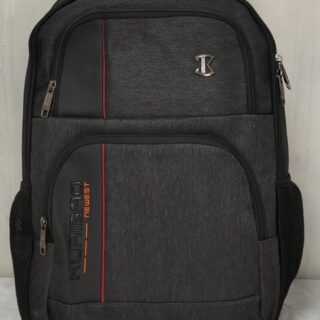 The Kuribao Executive Backpack - Large
Original price was: KSh 3,500.00.KSh 2,499.00Current price is: KSh 2,499.00.
The Kuribao Executive Backpack - Large
Original price was: KSh 3,500.00.KSh 2,499.00Current price is: KSh 2,499.00.
-
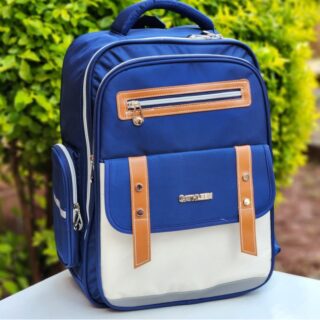 Classic Blue School Backpack
Original price was: KSh 3,000.00.KSh 2,400.00Current price is: KSh 2,400.00.
Classic Blue School Backpack
Original price was: KSh 3,000.00.KSh 2,400.00Current price is: KSh 2,400.00.
-
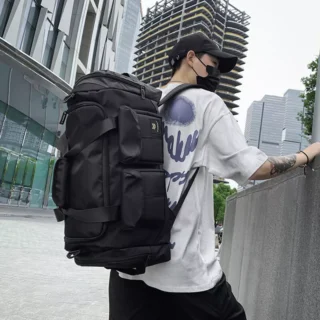 Large Black Multi-Pocket Travel Duffel Bag
Original price was: KSh 4,000.00.KSh 2,900.00Current price is: KSh 2,900.00.
Large Black Multi-Pocket Travel Duffel Bag
Original price was: KSh 4,000.00.KSh 2,900.00Current price is: KSh 2,900.00.
-
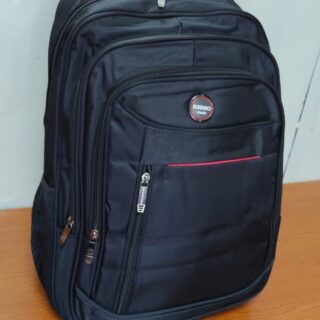 Classic Black Multi-Compartment Backpack – Durable School, Laptop & Travel Bag
Original price was: KSh 3,500.00.KSh 2,550.00Current price is: KSh 2,550.00.
Classic Black Multi-Compartment Backpack – Durable School, Laptop & Travel Bag
Original price was: KSh 3,500.00.KSh 2,550.00Current price is: KSh 2,550.00.
-
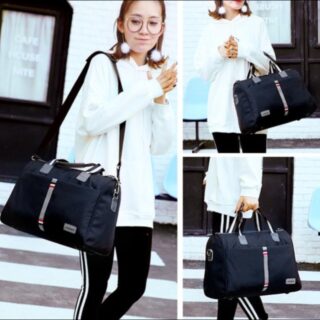 Urban Voyager Duffel – Lightweight Travel & Gym Bag
Original price was: KSh 3,500.00.KSh 1,650.00Current price is: KSh 1,650.00.
Urban Voyager Duffel – Lightweight Travel & Gym Bag
Original price was: KSh 3,500.00.KSh 1,650.00Current price is: KSh 1,650.00.
Products
-
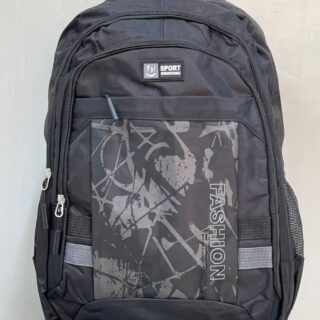 Original price was: KSh 3,500.00.KSh 2,500.00Current price is: KSh 2,500.00.
-
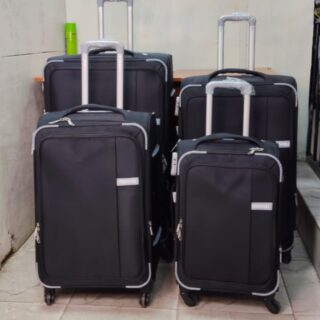 Elegant Black 4-Piece Expandable Luggage Set
Original price was: KSh 17,000.00.KSh 15,700.00Current price is: KSh 15,700.00.
Elegant Black 4-Piece Expandable Luggage Set
Original price was: KSh 17,000.00.KSh 15,700.00Current price is: KSh 15,700.00.
-
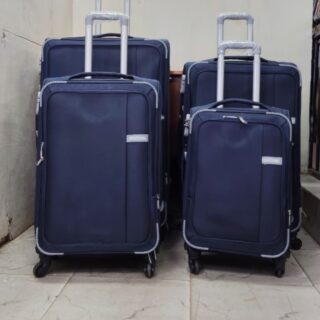 Classic Navy 4-Piece Expandable Luggage Set
Original price was: KSh 17,000.00.KSh 15,700.00Current price is: KSh 15,700.00.
Classic Navy 4-Piece Expandable Luggage Set
Original price was: KSh 17,000.00.KSh 15,700.00Current price is: KSh 15,700.00.
-
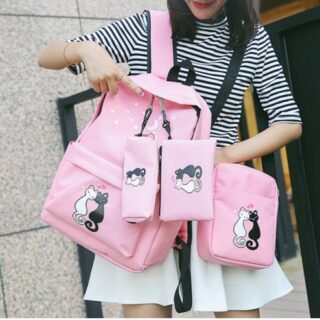 Kawaii Cat Love Pink Backpack Set
Original price was: KSh 3,500.00.KSh 2,700.00Current price is: KSh 2,700.00.
Kawaii Cat Love Pink Backpack Set
Original price was: KSh 3,500.00.KSh 2,700.00Current price is: KSh 2,700.00.
-
 CityStride Duffel – Navy Blue Travel & Gym Bag
Original price was: KSh 3,500.00.KSh 1,650.00Current price is: KSh 1,650.00.
CityStride Duffel – Navy Blue Travel & Gym Bag
Original price was: KSh 3,500.00.KSh 1,650.00Current price is: KSh 1,650.00.